How Long Carpet Really Takes to Dry After Cleaning, and What Changes It
Dry time isn't fixed. It depends on the carpet, the season, and how the house is set up while it dries.
September 9, 2026 · 4 min read
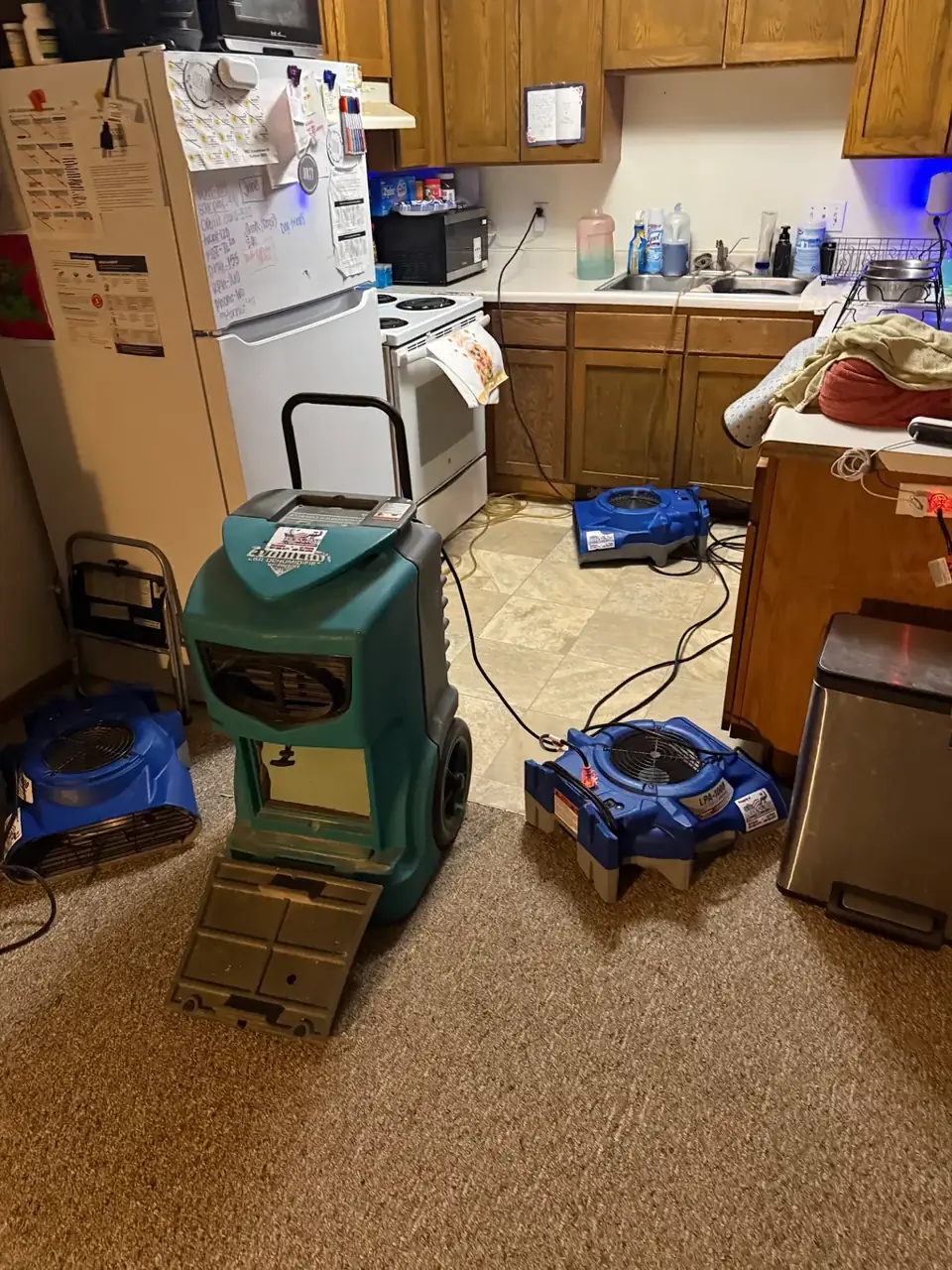
Nearly every customer asks the same question right after a carpet cleaning: how soon can we walk on it. It's a fair question, and the honest answer is that it depends on more variables than most people expect. A carpet cleaned in a dry, well-ventilated living room in October dries differently than the same carpet cleaned in a closed-up basement bedroom in January. Understanding what actually controls dry time helps you plan around it instead of guessing.
The general range
With hot water extraction, the method we use on every carpet job, most carpet is dry to the touch within 6 to 12 hours and fully dry through the pad within 24. That's a wide window on purpose, because the actual time is set by conditions in your specific home on that specific day, not by a fixed number that applies everywhere. It's also worth separating the two: dry to the touch means you can walk on it in socks without leaving footprints, while fully dry through the pad is the point where furniture can safely go back into place without pressing residual moisture back down into the fibers.
What actually changes the number
- Humidity: a humid house holds moisture in the air, so the water in the carpet has nowhere to evaporate to. This matters more here than people expect, because a southern Minnesota summer can run just as humid as anywhere, and it's the single biggest factor in a slow dry.
- Airflow: open windows when the weather allows it, ceiling fans, and air movement across the surface of the carpet speed evaporation dramatically. A closed room with no air movement can take twice as long as one with a fan running.
- Carpet pile and pad thickness: a thick plush carpet over a dense pad holds more water than a low-pile commercial-style carpet and will always take longer, regardless of the cleaning method.
- How much water was used: this is where the cleaning method itself matters. A rental machine or a low-quality service that doesn't extract properly leaves excess water sitting in the pad, which is a major reason DIY jobs often take two or three days to dry and can develop a musty smell in the process.
- Sunlight and room temperature: a sunny south-facing room in winter can actually dry faster than a shaded north-facing room in summer, because direct light and warmth pull moisture out even when the air outside is cold.
Why our process dries faster than a rental machine
Hot water extraction is a two-step process: hot water and a citrus pre-spray are applied to break down soil and dirt, and then that same water is immediately extracted back out with strong vacuum pressure, along with the soil suspended in it. A soft water rinse follows so nothing mineral or hard is left in the fibers to slow drying or attract new dirt as it settles. The goal on every job is to put down only what's needed to clean properly and pull back as much of it as possible, which is a large part of why our jobs land at the faster end of that 6 to 12 hour range rather than the slower end.
What to do while carpet dries
- Turn on ceiling fans or box fans pointed across the floor, not straight down at it.
- Crack windows if the weather and season allow it, even for an hour.
- Keep the thermostat at a normal indoor temperature. It doesn't need to run hot, just steady.
- Stay off it in socks or bare feet if you can, and keep pets off it until it's dry to the touch.
- Avoid walking heavy furniture back into place until the carpet is fully dry, to avoid pressing moisture back down into the pad and leaving rust marks from metal furniture feet.
When slow drying is a sign of a problem
If a carpet is still visibly wet after 24 hours, or if you notice a musty smell developing, that usually means moisture got trapped somewhere it shouldn't have, often in an older home with less airflow or a basement space with naturally higher humidity. Old housing stock around Rochester and La Crosse can have less ventilation than newer construction, so basements and lower-level rooms sometimes need a little extra help, a fan left running overnight is usually enough. If it's still damp well past that window, give us a call rather than letting it sit, because carpet and pad that stay wet too long are what leads to mold and odor problems down the line.
Scheduling around your household, not just the calendar
Because dry time is real and not instant, timing matters. A carpet cleaned Friday afternoon before a weekend with the family home all day is a different plan than one cleaned Monday morning before an empty house through the workday. We'll talk through your schedule when we book, so you're not caught guessing whether the living room will be walkable in time for company, or whether it makes more sense to start with the bedrooms first and work outward while everyone's still out for the day. It's a small thing, but it's the difference between a cleaning that fits your week and one that fights it.
We're happy to walk through drying expectations for your specific space before we start a job, and we serve Rochester, La Crosse, and the surrounding towns with 24/7 emergency response if a drying situation ever turns into something bigger. Call (507) 580-0580, or see our carpet cleaning page for the full process.
America's Best Cleaning & Restoration Services, (507) 580-0580
Call (507) 580-0580More articles
How to Get Stains Out of Carpet, and the Three That Need a Professional
Most fresh stains respond to blotting and patience. A handful set permanently the moment you reach for the wrong bottle.
How Often Air Ducts Should Be Cleaned in an Old Minnesota House
Older housing stock, cold dry winters, and decades of unfiltered dust add up faster than people expect.