How to Get Stains Out of Carpet, and the Three That Need a Professional
Most fresh stains respond to blotting and patience. A handful set permanently the moment you reach for the wrong bottle.
September 9, 2026 · 4 min read
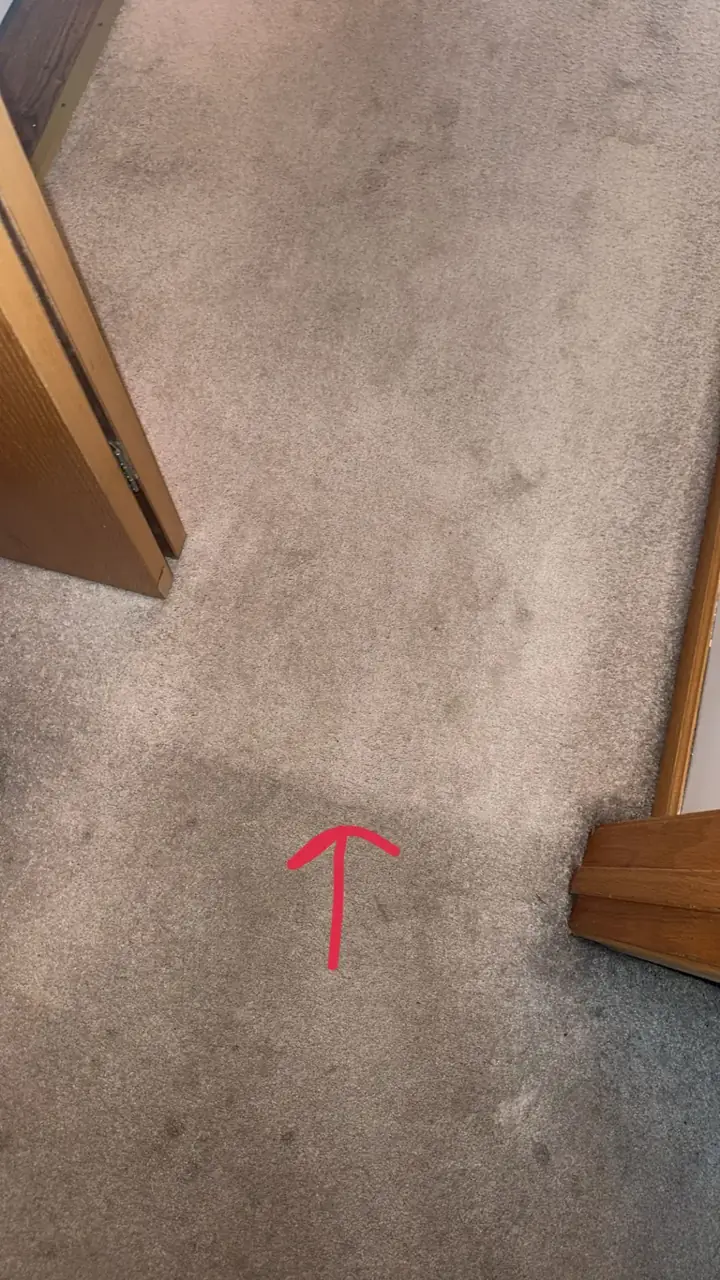
Every carpet in a Minnesota or Wisconsin home eventually meets something it wasn't built to handle. Red wine at a holiday gathering. A dog that got into the trash. Coffee spilled on the way out the door on a hard-water winter morning. Most of these are recoverable if you treat them the right way in the first ten minutes. A few are not, and knowing the difference saves both the carpet and the money you'd otherwise spend making a stain worse before a professional ever sees it.
The rule that matters more than any product
Blot, don't rub. Rubbing pushes the stain deeper into the pile and can fray the carpet fibers, which spreads the discoloration over a wider area and roughs up the texture so the spot never quite blends back in. Use a clean white cloth or paper towel, press straight down, lift, and move to a dry section of the cloth. Work from the outside edge of the stain toward the center so you aren't dragging it outward as you go.
Cold water is almost always the right first move, not hot. Heat sets a lot of common stains, especially protein-based ones like blood or dairy, by cooking the proteins into the fiber. Blot with plain cold water first and see how much lifts before you introduce anything else.
Stains that usually respond to home treatment
- Coffee and tea: blot with cold water, then a mix of a small amount of dish soap and cool water, blotted again and rinsed with plain water so no soap residue is left behind to attract dirt later.
- Mud and dried dirt: let it dry completely first, vacuum up what you can, then treat any leftover shadow with the same mild dish soap and water approach.
- Fresh grease or oil marks from cooking: sprinkle cornstarch or baking soda over the spot, let it sit fifteen minutes to absorb the oil, then vacuum before wet treatment.
- Most fruit juice: cold water blotting followed by a diluted white vinegar and water solution, worked in gently and rinsed.
The three stains that need a professional, not a bottle from under the sink
Some spots aren't really carpet cleaning problems, they're chemistry problems, and the wrong home remedy can set them permanently in the time it takes to try.
- Red wine and dye-based stains: household carpet cleaners and DIY hydrogen peroxide mixes can bleach the carpet's own color right alongside the wine, leaving a pale patch that's more obvious than the original stain. Professional treatment uses a targeted approach that lifts the dye without touching the carpet's dye lot.
- Pet urine, especially repeat spots: what you see on the surface is a fraction of what's soaked into the pad and subfloor underneath. Surface cleaning masks the smell for a few days and then it comes back, because the source is still there. It needs an enzyme treatment that reaches the pad, and in bad cases the pad itself needs replacing.
- Old-set stains you didn't catch fresh: once a spill has fully dried and been walked on for a week or more, the discoloration has usually bonded to the fiber itself rather than sitting on top of it. At that point more product and more scrubbing just spreads the damage further out; it needs hot water extraction with the right pre-treatment to actually break the bond.
We use hot water extraction with a citrus-infused pre-spray and a soft water rinse on every carpet cleaning job, which is a different process than what's in a rental machine or a spray bottle. The pre-spray breaks down the stain chemically before any water hits it, the hot water extraction lifts it and the dirt around it out of the pile, and the soft water rinse means nothing hard or mineral-laden gets left behind to attract new dirt faster. If Billy or Charlie has been out to your house before, you already know the difference a proper extraction makes over a rented machine.
Why the products matter as much as the method
Every product we use, from the citrus pre-spray to whatever's applied on a targeted stain, is pet-safe, eco-friendly, and biodegradable. That's not a marketing line, it's a practical necessity in homes with dogs, cats, and small kids crawling across the same carpet an hour after treatment. A lot of the strongest off-the-shelf stain removers are strong precisely because they're harsh, and harsh is exactly what causes color loss on dye-based stains or irritation for a pet that naps on the carpet the same afternoon. Matching the product to the stain, rather than reaching for the strongest thing available, is most of what separates a treatment that works from one that trades a stain for a bleached patch.
What to do the moment a stain happens
- Act fast. Every minute a spill sits, it works further into the pile and pad.
- Blot, never scrub or rub.
- Test any product on a hidden corner of the carpet first, like inside a closet.
- If it's a repeat pet spot, old-set stain, or anything wine or dye based, stop and call rather than making three attempts that each set it a little deeper.
We're on site in 60 minutes or less for emergencies and can usually get a routine appointment scheduled quickly around Rochester, La Crosse, and the surrounding towns we serve. If a stain has you stuck, call (507) 580-0580 or see our current specials on the coupons page before you book. For carpets that need a full clean rather than a spot treatment, our carpet cleaning page has the details on the process.
America's Best Cleaning & Restoration Services, (507) 580-0580
Call (507) 580-0580More articles
How Long Carpet Really Takes to Dry After Cleaning, and What Changes It
Dry time isn't fixed. It depends on the carpet, the season, and how the house is set up while it dries.
How Often Air Ducts Should Be Cleaned in an Old Minnesota House
Older housing stock, cold dry winters, and decades of unfiltered dust add up faster than people expect.